ACh surplus theory:
If we assume that long-haulers have excessive acetylcholine (ACh) levels, this may lead to a state of sympathetic dominance. High ACh levels can increase glutamate levels, resulting in glutamate excitotoxicity, which manifests as an inability to calm down.
Elevated ACh levels can also cause endothelial dysfunction by reducing the effects of catecholamines (dopamine, norepinephrine, and epinephrine). The use of antihistamines and antidepressants, which have anti-acetylcholinergic properties, could provide temporary relief for some individuals, as they inhibit ACh release and NMDA receptor activity. However, the effects may wear off once the medication is discontinued, indicating a need for a more sustainable solution.
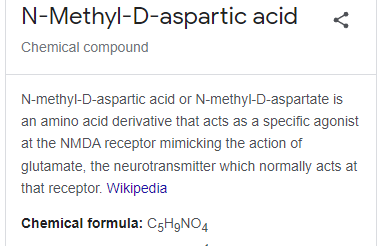
Magnesium's role in modulating vitamin D release and utilization can help regulate ACh levels in the body. High-dose vitamin D supplements may provide some relief by decreasing ACh levels, although long-term use could deplete magnesium stores. As magnesium acts on NMDA receptors similarly to antihistamines, it may help balance glutamate and GABA activity, potentially reducing symptoms related to excessive ACh levels.
Magnesium's ability to modulate vitamin D release and utilization, as well as its action on NMDA receptors, might be the driving force behind its potential to alleviate symptoms related to excessive ACh levels in long-haul COVID patients. By addressing the root cause of ACh surplus, magnesium could play a crucial role in restoring balance to the nervous system and reducing symptoms associated with autonomic dysfunction and glutamate excitotoxicity.
Nitric oxide depletion
[Mouth breathing accentuates sympathetic nervous system, beacause losing nitric oxide. And sympathetic activation keeps and worsens a lot of long covid symptoms. What else fixes and lowers the tone of the sympathetic system. Obviously deep breathing, meditation, and yoga/mindfulness BUT nothing more documented and more obvious than ketone bodies. There's a reason every single long hauler recovery story involves fasting. Sorry buddy, but you can't keep ignoring this just because you love to stuff your face with food. Even the people who technically didn't fast, recovered through the use of meat and low carb diets. What does carnivore and low-carb diets have in common? They mimic fasting because of ketosis and high ketone levels in the body that stimulate autophagy. Yes, over a year or more you may get healed or be on the way. But you can speed that up with water fasting by a few months. OR within 1 month you can have your life back in the same way through dry fasting. There's no way around it, dry fasting is the ultimate healer. High risk, High reward. However, if you approach it correctly the risk factor drops to negligible numbers. - Yannick]
New potential root idea (for some) - Nitric oxide depletion caused by MOUTH BREATHING during sleep resulting in sympathetic nervous system dominance
Nicotine theory:
Acetylcholine is a neurotransmitter in the nervous system that plays a crucial role in various cognitive functions, muscle control, and the regulation of the autonomic nervous system. Nicotine, the addictive substance found in tobacco products, has a direct connection to acetylcholine because it acts on the nicotinic acetylcholine receptors (nAChRs).
Nicotinic acetylcholine receptors are a type of ionotropic receptors found in the central and peripheral nervous system. When acetylcholine binds to these receptors, it triggers the opening of ion channels, allowing ions to flow across the cell membrane and initiating a cellular response.
Nicotine mimics the action of acetylcholine by binding to the nicotinic acetylcholine receptors. This binding stimulates the release of various neurotransmitters, such as dopamine, norepinephrine, and serotonin, which contribute to the pleasurable and addictive effects of nicotine. Over time, chronic exposure to nicotine can lead to changes in the number and sensitivity of nicotinic acetylcholine receptors, resulting in addiction and altered brain function.
There is a lot of theories surrounding nicotine and the prevention of long covid, and covid in general.
Nicotine patches vs Niacin (nicotinic acid):
Nicotine patches are being used currently (2023) as a new long-haul healing strategy. Unfortunately, it is getting mixed results. Similarly, it makes sense that it is disrupting the acetylcholine neurotransmitter.
Nicotine and nicotinic acid, also known as niacin, share some similarities due to their chemical structures and biological activity.
Both compounds contain a pyridine ring, which contributes to their similar names. While nicotine is an alkaloid found in tobacco plants and known for its addictive properties, nicotinic acid is a B-vitamin (vitamin B3) essential for various metabolic processes. Both substances interact with nicotinic acetylcholine receptors in the nervous system, but they have distinct effects. Nicotine primarily acts as a stimulant, whereas nicotinic acid plays a crucial role in energy metabolism and maintaining overall health.
When nicotinic acid (niacin) binds to nicotinic acetylcholine receptors (nAChRs), its effects are generally weaker and less specific compared to nicotine. While nicotine is a potent agonist of nAChRs, meaning it can activate these receptors effectively, nicotinic acid has a much weaker affinity for these receptors and does not typically produce significant effects on the nervous system when binding to nAChRs.
The primary function of nicotinic acid in the body is as a precursor for the synthesis of nicotinamide adenine dinucleotide (NAD), a coenzyme essential for various metabolic processes, redox reactions, and cellular energy production. The role of nicotinic acid in these metabolic processes is distinct from its interaction with nAChRs. Therefore, the primary focus when discussing the biological effects of nicotinic acid is its role in metabolism and cellular health, rather than its interactions with nAChRs.
"Concussion" / Brain damage theory:
Research has shown that NMDA (N-methyl-D-aspartate) receptors exhibit reduced activity following a concussion or brain injury. Some individuals have speculated that COVID-19 might lead to brain damage or post-concussion-like symptoms. NMDA receptors play a crucial role in regulating the balance between excitatory (glutamate) and inhibitory (GABA) neurotransmitters in the brain. Dysfunction in these receptors could lead to an excess of glutamate, resulting in glutamate excitotoxicity.
Magnesium, along with some antihistamines, can modulate the activity of NMDA receptors. Consequently, a deficiency in magnesium could potentially mimic the effects of a concussion in terms of neurotransmitter balance. It is plausible that acute COVID-19 infection might trigger NMDA receptor dysfunction or inflammation, similar to what occurs after a concussion. However, this condition should improve over time, and studies have indicated that treatments targeting NMDA receptors can accelerate recovery.
Anti-inflammatory agents that specifically address neuroinflammation may also be helpful in alleviating these symptoms. Examples of such agents include tart cherry juice, nattokinase (derived from natto), and fish oil, all of which have demonstrated potential in reducing inflammation in the brain. By supporting the normal function of NMDA receptors and reducing inflammation, these approaches may help to mitigate the neurological effects of COVID-19 in the long term.
Mitochondria and Magnesium
Magnesium threonate is a unique form of magnesium that has been shown to effectively cross the blood-brain barrier, making it particularly beneficial for cognitive and neurological health. The compound has been researched for its potential role in supporting mitochondrial function, which is vital for cellular energy production and overall health.
Mitochondria, the cellular organelles responsible for generating energy in the form of adenosine triphosphate (ATP), rely on a range of essential nutrients and cofactors for optimal function. Magnesium is one such crucial cofactor, as it participates in numerous enzymatic reactions, including those related to ATP production and the regulation of mitochondrial membrane potential.
Magnesium threonate's ability to penetrate the blood-brain barrier allows it to reach the brain's mitochondria more efficiently than other forms of magnesium. By providing a readily available source of magnesium, magnesium threonate may support mitochondrial function, thus promoting neuronal health and energy production within brain cells. This enhancement of mitochondrial function can potentially contribute to improved cognitive function, memory, and overall brain health.
NAD+ theory and its relation to acute COVID-19:
During the acute phase of COVID-19, the body may experience a depletion of DLPA (D,L-Phenylalanine), leading to decreased dopamine levels, as well as a depletion of magnesium. Low magnesium levels can contribute to an increase in acetylcholine (ACh), which in turn, may further reduce dopamine levels. This imbalance can result in elevated glutamate levels, causing a state of glutamate excitotoxicity.
The high glutamate and low dopamine levels can lead to an increase in serotonin production. In this scenario, the NAD+ theory suggests that the body shifts its metabolic priority towards synthesizing serotonin from tryptophan, which can subsequently deplete NAD+ levels. The increase in serotonin levels may explain why some individuals experience temporary relief when taking SSRIs (selective serotonin reuptake inhibitors), as these medications can reduce the demand for serotonin production, allowing more tryptophan to be utilized for NAD+ synthesis. Additionally, some SSRIs have been shown to increase GABA levels, which can help balance the excess glutamate and alleviate symptoms.
Elevated serotonin levels can also lead to a decrease in melatonin production, as melatonin is synthesized from serotonin. This reduction in melatonin may partially explain the insomnia experienced by long-haulers. Furthermore, melatonin has been shown to help regulate glutamate levels, providing another potential mechanism by which the NAD+ theory could be connected to the post-acute sequelae of COVID-19.
Supporting NAD+ production:
Magnesium is involved in numerous enzymatic reactions in the body, including those related to the synthesis of NAD+. By ensuring adequate magnesium levels, the body may be better equipped to maintain optimal NAD+ levels and support cellular energy production.
Magnesium, an essential mineral, plays a crucial role in supporting NAD+ production, which is a key factor in cellular energy metabolism and overall health. As a cofactor in numerous enzymatic reactions, magnesium's involvement in NAD+ synthesis highlights its importance in maintaining optimal cellular function. NAD+ (nicotinamide adenine dinucleotide) is a coenzyme that participates in redox reactions, which are essential for energy production in the form of ATP (adenosine triphosphate) and the maintenance of cellular homeostasis. Inadequate magnesium levels can hinder the body's ability to synthesize NAD+, potentially leading to decreased energy production and impaired cellular function.
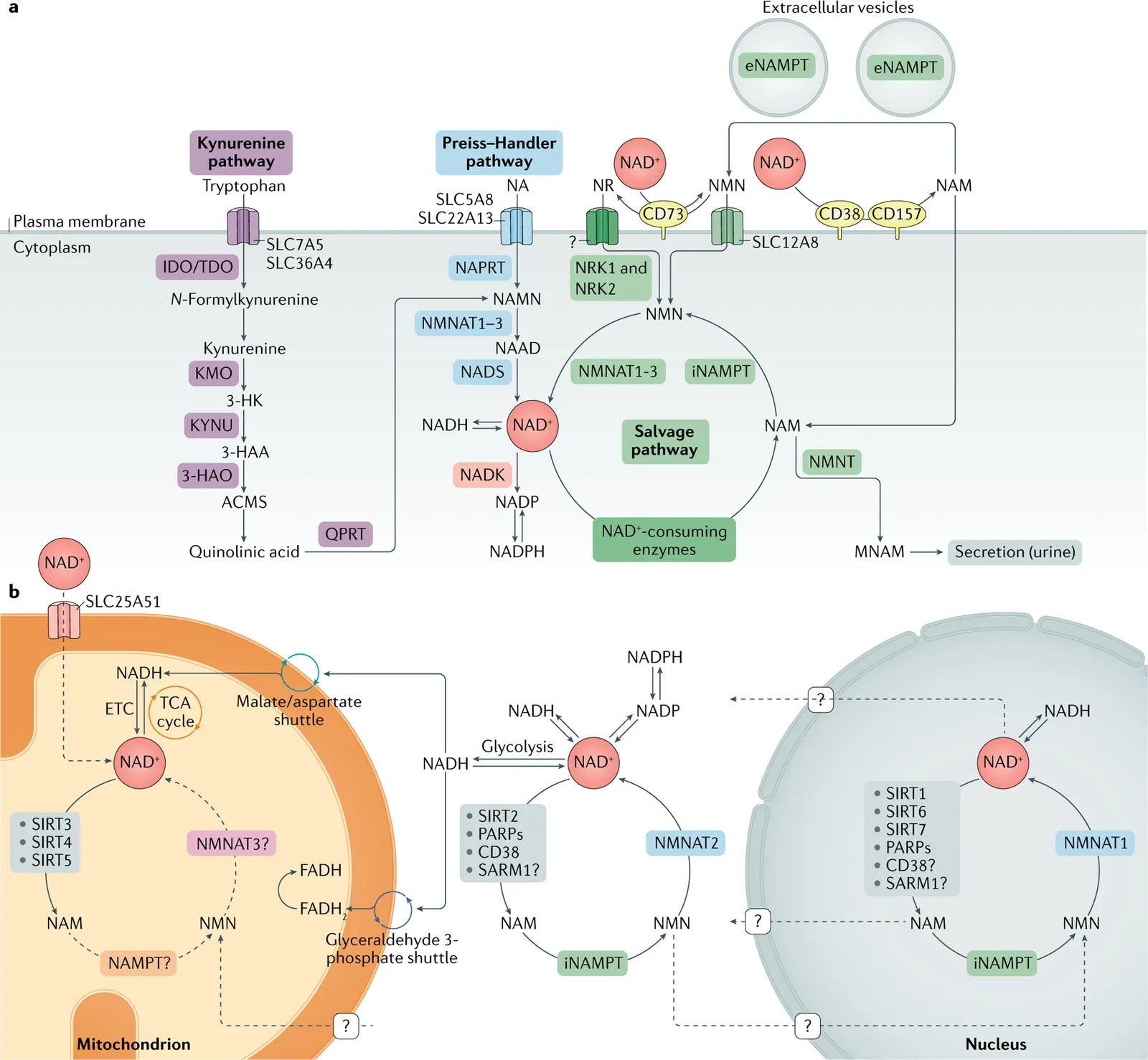
One of the critical mechanisms through which magnesium supports NAD+ production is by facilitating the conversion of nicotinamide, a precursor of NAD+, into the active coenzyme. This process requires magnesium as a cofactor, making it an indispensable element in the pathway. Furthermore, magnesium plays a role in the regulation of various enzymes involved in NAD+ synthesis, such as nicotinamide phosphoribosyltransferase (NAMPT) and nicotinamide mononucleotide adenylyltransferase (NMNAT). By modulating the activity of these enzymes, magnesium ensures the efficient production of NAD+ and supports cellular energy metabolism.
Apart from its direct involvement in NAD+ synthesis, magnesium also influences other processes that impact cellular energy production. For instance, magnesium is essential for the proper functioning of the electron transport chain (ETC) in mitochondria, where the majority of ATP is generated. Additionally, magnesium is involved in the regulation of other coenzymes, such as Coenzyme Q10 (CoQ10), which also plays a vital role in energy production. By maintaining adequate magnesium levels, the body can better regulate these interconnected processes, ultimately supporting NAD+ production, cellular energy metabolism, and overall health.
- Balancing neurotransmitters: As mentioned in the theory, low magnesium levels can lead to high acetylcholine, high glutamate, low dopamine, and high serotonin. By maintaining optimal magnesium levels, the body can help regulate these neurotransmitters and prevent the depletion of NAD+.
- Tryptophan metabolism: Magnesium is involved in the enzymatic conversion of tryptophan to serotonin. Adequate magnesium levels may help regulate this conversion and prevent an excessive shift towards serotonin production at the expense of NAD+ synthesis.
- Supporting melatonin synthesis: As stated in the theory, high serotonin levels can lead to decreased melatonin levels. Magnesium plays a role in the synthesis of melatonin from serotonin. Ensuring adequate magnesium levels may help support melatonin production and improve sleep quality in long-haul COVID patients.
- Glutamate regulation: Magnesium is involved in the regulation of glutamate levels and acts as an NMDA receptor antagonist. By maintaining optimal magnesium levels, the body can help prevent glutamate excitotoxicity and support neuronal health.
- Mitigating stress response: Long-haul COVID patients often experience heightened stress and anxiety. Magnesium is involved in the regulation of the stress response, and maintaining optimal levels may help reduce stress and improve overall well-being in these patients.
- Synergy with SSRIs: As mentioned in the theory, some SSRIs are shown to increase GABA levels, which can help balance out glutamate excess. Magnesium, through its action on NMDA receptors, can also support this balancing effect, potentially enhancing the benefits of SSRIs in long-haul COVID patients.
L-Lysine vs Arginine (Herpes sufferers know...)
this study focuses on the effects of two amino acids, lysine and arginine, on SARS-CoV-2 (COVID-19) and Influenza A virus (IAV) infections. The researchers found that lysine can decrease the infection rate of both viruses, while arginine can increase it. Lysine has been used in the past to treat and prevent herpes simplex virus (HSV) infections due to its ability to inhibit virus growth. A recent observational study also suggests that lysine may help protect against SARS-CoV-2 infections.
The study found that arginine could promote SARS-CoV-2 infection by causing a change in a specific cellular protein called ACE2. The acidity of cell structures called endosomes plays a significant role in virus infection. The researchers initially thought that treating cells with lysine or arginine would affect this acidity, but their data showed a more complex relationship.
Virus entry into cells usually involves binding to a specific receptor on the cell surface and then entering the cell through a process called endocytosis. The study used a SARS-CoV-2 model to understand how lysine and arginine affect virus entry into cells. The results showed that lysine does not affect the attachment or penetration stages of the virus, but it might have an impact on later stages, such as uncoating or nuclear import. The researchers proposed several possible mechanisms for how lysine might work, including interfering with the interaction between viral proteins and the endosomal membrane, altering intracellular calcium levels, or disrupting the trafficking of the virus within the cell.
Conclusion: Lysine and Lys-ester can prevent SARS-CoV-2 and IAV infection, particularly in the entry stage. In contrast to that, Arg-ester can potently boost infection of both viruses. It would therefore be beneficial to consider the nutrient intake of COVID-19 and flu patients. We recommend the inclusion of lysine supplementation in addition to a reduced arginine intake for the prevention and treatment of SARS-CoV-2 and IAV infections.
Ivermectin, sugar, parasites, ace2
SARS-CoV-2 uses sugars to invade human cells, new study shows
Post acute "hidden" viral presence and the disfunctional immune response to them are a problem in L.C. and CFS/ME. (I'm 10 yr CFS+L.C.)
HSV, EBV and others can cause a constant wear on cellular systems and cause chronic body-wide inflammation.
Why are these viruses not killed by immune system cells outright, but seem to lurk inside cells, or other places for years? SOME researchers have theorized that latent viruses infect parasites in order to hide from immune cells. Remove the parasites, expose the virus.
Edit: Found this in my research archives:
Very good paper on persistent pathogens and their interactions:
The triple clot-busting micro clot theory
Blood clots, micro clots, biofilms, inflammation. There's no doubt that the triple anticoagulation theory makes you feel better, and a lot of people report improvements. Clearing clots will definitely make you feel better, but in 98% of cases, that's only one of many symptoms you'll need to work on.
It's quite clear that for many people suffering from long covid, included side effects are micro clots. These clots are not normal blood clots, because regular blood scans do not identify them. I remember the first days of people panicking and telling others that they need to do a D-Dimer test for blood clots. This test measures the levels of D-dimer, a small protein fragment that is produced when a blood clot dissolves in the body.
Hospitals and doctors were not performing D-dimer tests on patients with acute or severe long covid. If asked, you were directed to ultrasounds, venography, MRI, and CT scans. All of them would come back negative for blood clots. The D-dimer indicated that there were micro clots all throughout the body, not being picked up by the regular tests. This brought about the triple clot-busting strategy that worked for a lot of people. Even if your pathology did not include a lot of micro clots, this strategy still helped in clearing pain and blockages in the body, similar to the idea that a daily dose of baby aspirin provided a net benefit to nearly all people.
Nattokinase is derived from fermented soybeans and dissolves fibrin, a protein involved in clotting. Serrapeptase, produced by a bacterium found in silkworms, also breaks down fibrin and reduces inflammation. Lumbrokinase, extracted from earthworms, is another fibrinolytic enzyme that degrades blood clots (lumbrokinase is the most powerful one). Aspirin, on the other hand, is a non-steroidal anti-inflammatory drug (NSAID) that blocks the production of thromboxane A2, a substance that promotes platelet aggregation and vasoconstriction, thus preventing new clots from forming.
FastingwithTrevor talks about using Serrapeptase for possible parasite biofilms, but he doesn't know what nattokinase is and therefore doesn't understand the pronounced benefits of a two-fold prong attack against biofilms or micro clots. Serrapeptase has anti-inflammatory properties, but the fact that nattokinase specifically targets fibrin makes it a more precise option for breaking down clots. Also, nattokinase has been shown to have a longer-lasting effect on fibrinolysis, which means it could provide more extended protection against clot formation. This is why I recommend a two-pronged attack using both Serrapeptase and Nattokinase as a preparation for a dry fast, to address micro clots, blood clots, and other clots in the blood. I would use lumbrokinase, but it's very hard to get and super expensive, so it's not applicable to most people. My goal is to create an affordable protocol, while also providing an option for a more comprehensive expensive one. Check out the protocols here.
It's important to stack up effective strategies together when combating potential problems like biofilms. Serrapeptase and Nattokinase are a great start, but adding potent antioxidants like NAC further helps, and you can even stack on top of it Garlic and iodine. Don't forget that a strong gut microbiome cultured with the right probiotics and food should also be able to help. Beneficial bacteria can compete with pathogenic bacteria within biofilms, releasing antimicrobial substances, and promoting a healthy balance of microbial populations in the body.
No matter what, your body during fasting is your strongest tool. It's your swiss army knife. Additional strategies like blood clot-busting is a hammer in your arsenal. It does one job, but does it well, which allows fasting to pick up the pieces and get to work on everything else more efficiently.
Epstein-Barr / Mono reactivation theory:
It has been shown that magnesium levels are inversely related to EBV levels (low Mg = high EBV) in patients after suffering from another infection. Therefore, the reason EBV is being reactivated in some long haulers could be due to acute COVID depleting Mg stores. This same phenomenon has also been shown for lyme disease, suggesting that low Mg levels allow for past viruses to reactivate. Given this info it wouldn’t be out of the question to extrapolate that low Mg could cause high levels of coronavirus and thus contribute to “viral persistence.”
Mast Cell Activation Syndrome (MCAS) / Histamine Intolerance Theory:
Magnesium plays a crucial role in regulating histamine breakdown by producing the diamine oxidase (DAO) enzyme. A magnesium deficiency has been shown to increase mast cell activity and pro-inflammatory cytokine release. Mast cell activation is thought to be modulated by magnesium levels, influencing how easily they are triggered. NMDA receptor activation is also modulated by magnesium; activated NMDA receptors release histamine and glutamate. Glutamate and dopamine levels are inversely related. Dopamine serves as an immunomodulator, and histamine release decreases dopamine release. Dopamine also has anti-cytokine effects and modulates systemic immune inflammation.
It has been demonstrated that glutamate can act as a trigger for mast cells, suggesting that potentially high glutamate levels in long haulers would increase mast cell excitability. MCAS/NMDA activation also leads to elevated norepinephrine levels, which are thought to be the mechanism for Postural Orthostatic Tachycardia Syndrome (POTS) in MCAS patients. An imbalance between dopamine and norepinephrine can lead to blood pressure and cardiovascular regulation issues that many long haulers experience. The adrenaline surges some long haulers experience might be the body's attempt to counteract high norepinephrine levels by releasing epinephrine since there are low dopamine stores available. N-Acetylcysteine (NAC) has been shown to help regulate glutamate and counteract the effects of norepinephrine, which may explain why some people experience relief from it. Norepinephrine release is inhibited by magnesium blocking calcium channels. Understanding the interplay between NMDA, histamine, and magnesium may provide valuable insights into the complex health issues faced by long haulers.
Longhaul risk factor theory:
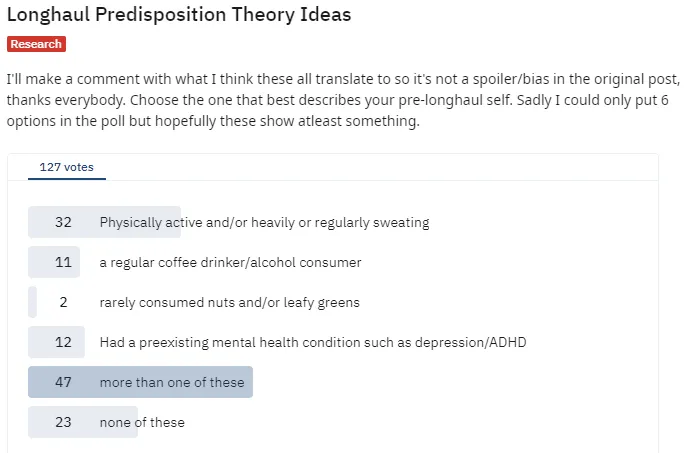
Given that magnesium is depleted by muscle contraction and sweating, being an active individual would therefore predispose you to low magnesium and therefore long covid. Having a diet low in leafy greens/nuts/high Mg foods increases this risk. Being a chronic coffee drinker as coffee depletes Mg. In addition, having a preexisting condition that stems from a neurotransmitter imbalance (ie ADHD) would give you the potential to have a worse long haul experience. Prolonged/regular usage of antibiotics, antacids, diuretics, calcium supplements, or alcohol can deplete Mg as well. Diets high in sugar as well as digestive issues such as celiac and irritable bowel are shown to lead to Mg deficiency.
Autoimmune theory thoughts:
Low Zinc and Low Vitamin D are precursors to a lot of autoimmune issues. Magnesium is a cofactor.
Why supplementing magnesium doesn't always help
Poor absorption: Some individuals may have difficulty absorbing magnesium due to gastrointestinal issues, such as inflammation, leaky gut, or malabsorption disorders. These issues can hinder the body's ability to absorb magnesium from food or supplements effectively.
first you first need to identify the amount of elemental magnesium present in whatever you are taking and ignore the gross material amounts. The other thing I don't see mentioned much is the absorption rate. Different types of magnesium are absorbed at different rates and in different parts of the digestive system.
Magnesium Oxide is typically only about 5% absorbed, so 2 g elemental magnesium in MgO form will only net 100 mg to the body. At some point, taking more MgO (or Magnesium Citrate) will not yield any more magnesium to the body and can actually leach magnesium from the body because of the laxative effect. This makes it basically impossible to get a single RDA of (for me 420 mg) magnesium from Magnesium Oxide, and it is absolutely necessary to have other (major) sources of magnesium in the diet to reach even the minimum RDA much less make up for past deficiencies.
Other forms of magnesium like Magnesium L-Threonate or Magnesium Glycinate are better absorbed, but I have not found data on how much better. In my personal experience, about 576mg of elemental magnesium from Magnesium L-Threonate is my tolerance limit. This is 1.37 times my RDA assuming 100% absorption (which I am sure it is not). To get the same amount of absorbed magnesium from Magnesium Oxide, I would have to take around 10 grams, but this obviously would not be absorbed due to the laxative effect
Saying a scoop of magnesium citrate at 300mg is too much is laughable to anyone who has actually researched this. 350 mg is nearly 20% below the RDA for an adult male (420 mg/day). RDA are minimal amounts to avoid deficiency and certainly are not to be regarded as upper limits. Measurable deficiency symptoms occur at even 10% below RDA levels for magnesium. Following the pharmacists advice would result in deficiency. Toxicity for magnesium kicks in at 5000 mg per day. Multiple studies have show benefit at 2500 mg/day doses. It is nearly impossible to reach the 2500 mg and above levels from dietary sources including the most potent supplements like Magnesium L-Threonate. That is why the advice is to take magnesium supplements to bowel tolerance, and get the better absorbed forms, and still eat your greens.
Medications: Certain medications, including diuretics, proton pump inhibitors (PPIs), and some antibiotics, can interfere with magnesium absorption or increase the excretion of magnesium through the kidneys, leading to magnesium deficiency.
Stress and lifestyle factors: Chronic stress can deplete magnesium levels, as the body uses more magnesium during times of stress. Additionally, factors like excessive alcohol consumption, caffeine intake, and lack of sleep can negatively impact magnesium levels in the body. Before you get long covid you should literally be guzzling magnesium citrate.
- Activation of the stress response: When the body experiences stress, the hypothalamic-pituitary-adrenal (HPA) axis is activated, leading to the release of stress hormones like cortisol and adrenaline (why dry fasting depletes magnesium like CRAZY). These hormones mobilize energy resources to cope with the stressor, and during this process, magnesium is consumed at a higher rate. The increased demand for magnesium to support these stress responses can lead to depletion.
- Magnesium and neurotransmitter regulation: Magnesium plays a crucial role in regulating neurotransmitters like GABA (gamma-aminobutyric acid) and glutamate. GABA is an inhibitory neurotransmitter that promotes relaxation and reduces stress, while glutamate is an excitatory neurotransmitter that can exacerbate stress responses. Magnesium acts as a natural modulator of the NMDA (N-methyl-D-aspartate) receptor, which binds glutamate and plays a role in stress responses. By regulating the NMDA receptor, magnesium helps to maintain a balance between GABA and glutamate. When magnesium levels are low, this balance can be disrupted, leading to heightened stress and further magnesium depletion.
- Impact on energy production: Magnesium is essential for the production of ATP (adenosine triphosphate), the primary energy molecule in the body. Stress increases the body's demand for energy, and without sufficient magnesium, ATP production is compromised, leading to fatigue and further stress.
- Stress and inflammation: Chronic stress can contribute to inflammation in the body, and inflammation can, in turn, affect magnesium levels. Magnesium has anti-inflammatory properties, and low levels of magnesium can exacerbate inflammation, leading to a vicious cycle of stress, inflammation, and further magnesium depletion.
- Stress-induced behaviors: Stress can lead to unhealthy behaviors like overeating, poor diet choices, excessive alcohol consumption, and insufficient sleep. These behaviors can negatively impact magnesium levels, either by decreasing magnesium intake or increasing its excretion.
Increased calcium intake: An imbalance in the intake of calcium and magnesium can affect magnesium absorption. A high calcium intake can inhibit magnesium absorption, as both minerals compete for the same absorption pathways. It is crucial to maintain a proper balance between calcium and magnesium intake for optimal absorption of both minerals.
Age: As we age, our bodies become less efficient at absorbing nutrients, including magnesium. Older adults may have a harder time obtaining adequate magnesium levels from their diets, and may require supplementation to maintain optimal levels.
Final Notes:
Even though I believe magnesium is a key player in why long covid happens, why it gets worse, and more. The fact of the matter remains long haulers, have caused damage to their bodies. it needs to be addressed, and you need to return homeostasis. You can't do it without dry fasting. Let me coach you through your dry fasting journey so you can avoid common pitfalls, mistakes, and unnecessary speed bumps along the way. Let's get your body back to pre-covid levels and even better - Yannick
Sources:
Glutamate and GABA are crucial neurotransmitters in the brain, with glutamate being excitatory and GABA being inhibitory. They help maintain the balance between excitation and inhibition, affecting how active and responsive neurons are in different brain circuits. This study looked at what happens when there is a long-term decrease in glutamate activity.
The researchers found that when glutamate activity was blocked for an extended period (6-17 days), neurons in the hypothalamus started showing increased activity, which was not observed in control groups. This increased activity was linked to the neurotransmitter acetylcholine (ACh). The study suggests that when glutamate activity is low, ACh becomes more important as an excitatory neurotransmitter, helping to maintain the balance between excitation and inhibition.
This increase in ACh activity was also observed in the cerebellum, but not in the cortex, indicating that the interaction between glutamate and ACh might be specific to certain brain regions.
In summary, this study suggests that when glutamate activity is reduced, the brain may adapt by increasing the role of ACh to maintain the balance between excitation and inhibition. This adaptation could represent a new form of brain plasticity that helps neurons adjust their activity and responsiveness when there is an imbalance between glutamate and GABA.
If both acetylcholine (ACh) and glutamate levels are abnormally high in the brain, this could lead to an excessive increase in neuronal excitability, potentially resulting in several neurological issues. Since ACh and glutamate are excitatory neurotransmitters, elevated levels of both could disrupt the balance between excitation and inhibition in the brain.
Some possible consequences of high ACh and glutamate levels include:
- Overstimulation of neurons: Excessive excitatory signaling could cause neuronal overstimulation, which may lead to excitotoxicity. Excitotoxicity is a process where neurons are damaged and can eventually die due to excessive activation by neurotransmitters such as glutamate.
- Seizures: Imbalances in excitatory and inhibitory signaling may increase the risk of seizures, as heightened neuronal activity can lead to uncontrolled electrical discharges in the brain.
- Anxiety and stress: High levels of excitatory neurotransmitters could contribute to increased feelings of anxiety and stress, as they may cause hyperactivity in brain regions associated with these emotions.
- Sleep disturbances: Elevated ACh and glutamate levels may interfere with sleep regulation, as they could disrupt the balance of neurotransmitters that control the sleep-wake cycle.
- Cognitive impairments: High levels of excitatory neurotransmitters might negatively affect cognitive functions such as memory, attention, and learning due to the potential overactivation of neuronal circuits.