If you’re curious about dry fasting and have heard terms like cortisol and ACTH tossed around, you’re not alone. These two hormones play an essential role in how your body manages stress and adapts to fasting, especially when you’re going without water. Some would argue that these are the MOST important hormones to keep in mind when dry fasting. But what are they really, and why should anyone dry fasting be interested in these stress hormones? Let’s dig in and see how they help—or hinder—the body when there’s no water intake involved.
What is ACTH and Cortisol?
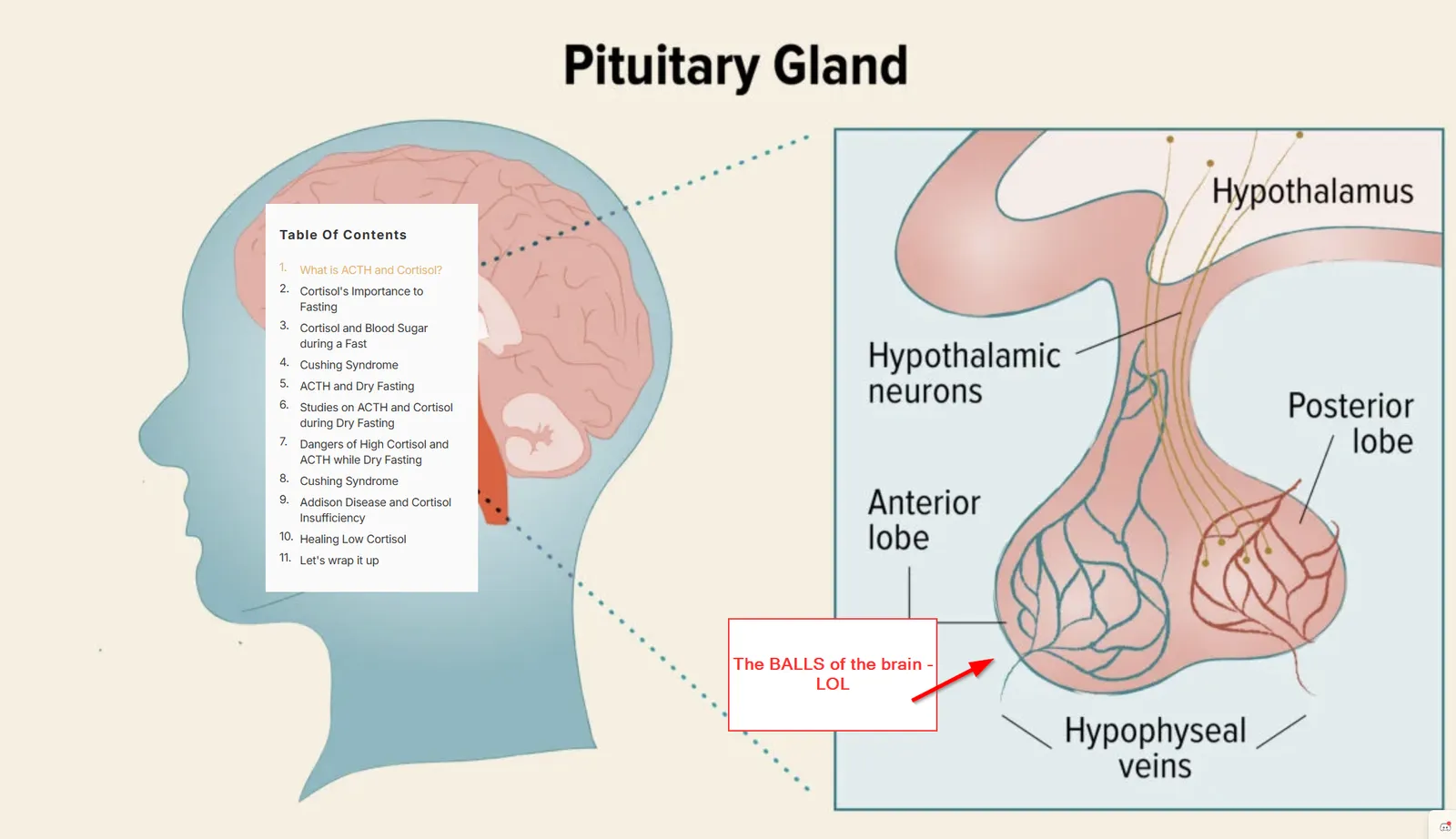
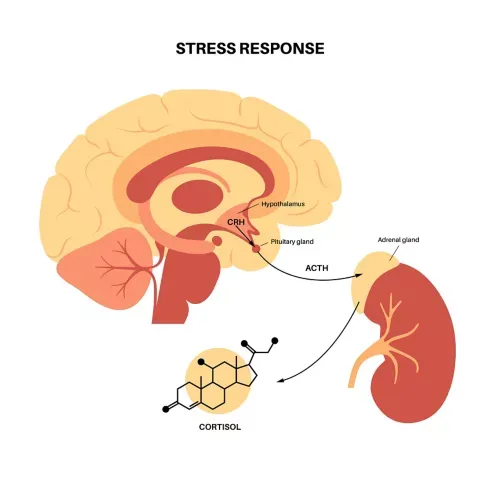
To start, cortisol and ACTH (adrenocorticotropic hormone) are like partners in a carefully coordinated dance that keeps your body balanced during times of stress, and that includes the stress of not eating or drinking. Produced in different parts of your body, these hormones are linked by a chain reaction. ACTH is released by the pituitary gland, a tiny structure located at the base of your brain. Once released, ACTH travels through the bloodstream to signal the adrenal glands, which are perched on top of the kidneys. The adrenal glands respond by producing cortisol, which then circulates to manage all sorts of bodily functions.
Cortisol's Importance to Fasting
But why all this fuss about cortisol and ACTH in the context of dry fasting? Let’s unpack it. Cortisol, often called the “stress hormone,” is famous for its role in the body’s fight-or-flight response. It’s a quick-acting hormone that can help you respond to immediate stress by mobilizing energy from stored nutrients, such as fat or protein, and turning them into fuel. Essentially, it’s cortisol’s job to make sure that your body has enough energy available when food and water aren’t an option. During a dry fast, this is vital since there’s no external fuel source coming in. Cortisol keeps things running by encouraging the body to access its internal energy stores, like glycogen (stored glucose) and fats, to keep your energy levels steady.
Now, let’s turn to ACTH. This hormone is crucial because it’s the one that prompts the release of cortisol. In simple terms, you could say ACTH is like the alarm clock for cortisol, waking it up to start doing its job whenever a stressful situation arises. This relationship between ACTH and cortisol is part of what’s known as the HPA axis—the hypothalamic-pituitary-adrenal axis—a feedback loop in your body that regulates your response to stress, including the unique stress of dry fasting.
Adrenocorticotropin (ACTH) stimulates pregnenolone production:
Cleaves cholesterol: ACTH regulates the steroidogenetic pathway by cleaving the side-chain of cholesterol to produce pregnenolone. Pregnenolone is the first and rate-limiting step in cortisol production.
Increases LDL receptors: ACTH increases the number of low-density lipoprotein (LDL) receptors.
Cortisol and Blood Sugar during a Fast
When you start a dry fast, your body may initially register this as a form of stress because there’s no water or food coming in. The hypothalamus, which sits in the brain and manages things like hunger and thirst, kicks off the process by telling the pituitary gland to release ACTH. This then triggers the adrenal glands to produce more cortisol, helping the body access its stored energy and keep things going. While this sounds intense, the gradual and controlled rise in cortisol during a well-managed dry fast can actually be beneficial. Studies have shown that short-term increases in cortisol during fasting may help reduce inflammation, encourage fat-burning, and even boost immunity.
 Mark P Yeager
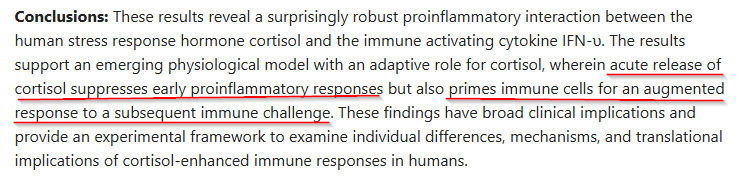
However, it’s not all a smooth ride. One of cortisol’s effects is to raise blood sugar levels—a process called gluconeogenesis, where the liver converts non-carbohydrate materials like protein into glucose. This keeps your blood sugar from dipping too low, which is critical because low blood sugar can make you feel weak or even dizzy. However, if cortisol levels rise too high and stay elevated for too long, it could actually make the body less efficient at using energy, leading to something called “metabolic slowdown.” In other words, the body tries to conserve energy by reducing the rate at which it burns calories, which is the opposite of what most people hope to achieve with fasting.
Cushing Syndrome
Cushing syndrome can be exogenous (iatrogenic) or endogenous (because of the body, usually a tumor on the pituitary). If you ever suffer symptoms similar to Cushing syndrome, remember that the dry fast may have created a temporary hypercortisol state. You'll notice that there's a reason why over-fasting can be dangerous and why telling people to do two 9-day dry fasts in quick succession is insanely irresponsible.
ACTH and Dry Fasting
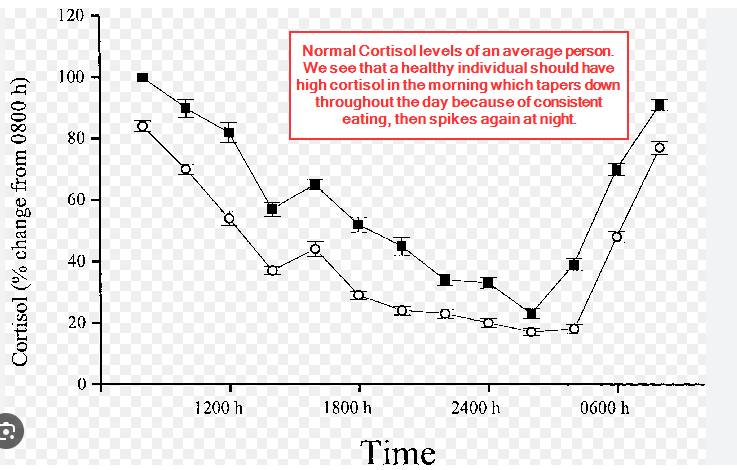
Here’s where ACTH plays a balancing act. As a natural rhythm, cortisol levels tend to be highest in the morning and gradually decline throughout the day, often dropping to their lowest levels in the evening. ACTH helps maintain this rhythm, even during fasting. By regulating the timing and amount of cortisol released, ACTH ensures that cortisol doesn’t stay constantly high and potentially lead to energy conservation or stress-related issues. In dry fasting, this balance is vital. It ensures that the body gets just enough cortisol to mobilize energy without hitting levels that might cause harm.
Studies on ACTH and Cortisol during Dry Fasting
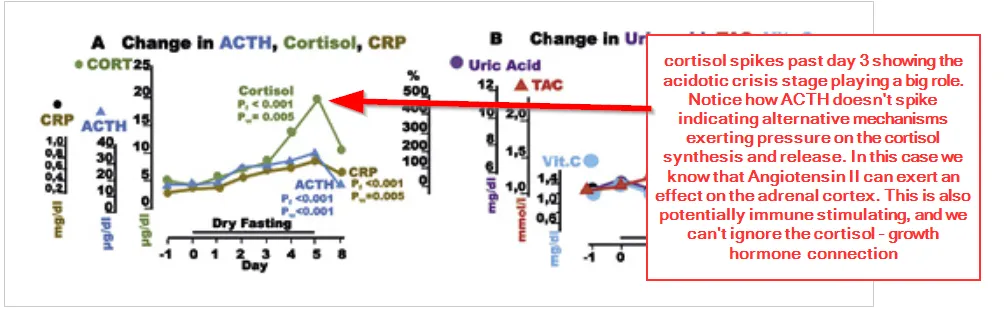
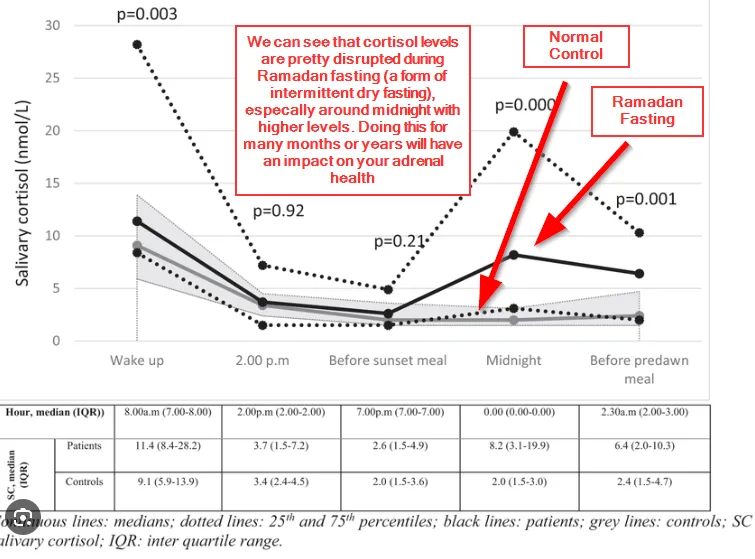
In fact, studies on dry fasting reveal some fascinating things about cortisol and ACTH. When people undergo a multi-day dry fast, cortisol levels tend to spike as dehydration increases. This adaptation helps the body sustain its energy levels without exhausting itself – even in the absence of water and food. As cortisol levels increase, the body starts to aggressively use fat stores more efficiently, which is one reason many people report a heightened sense of focus and energy during the later stages of a fast.

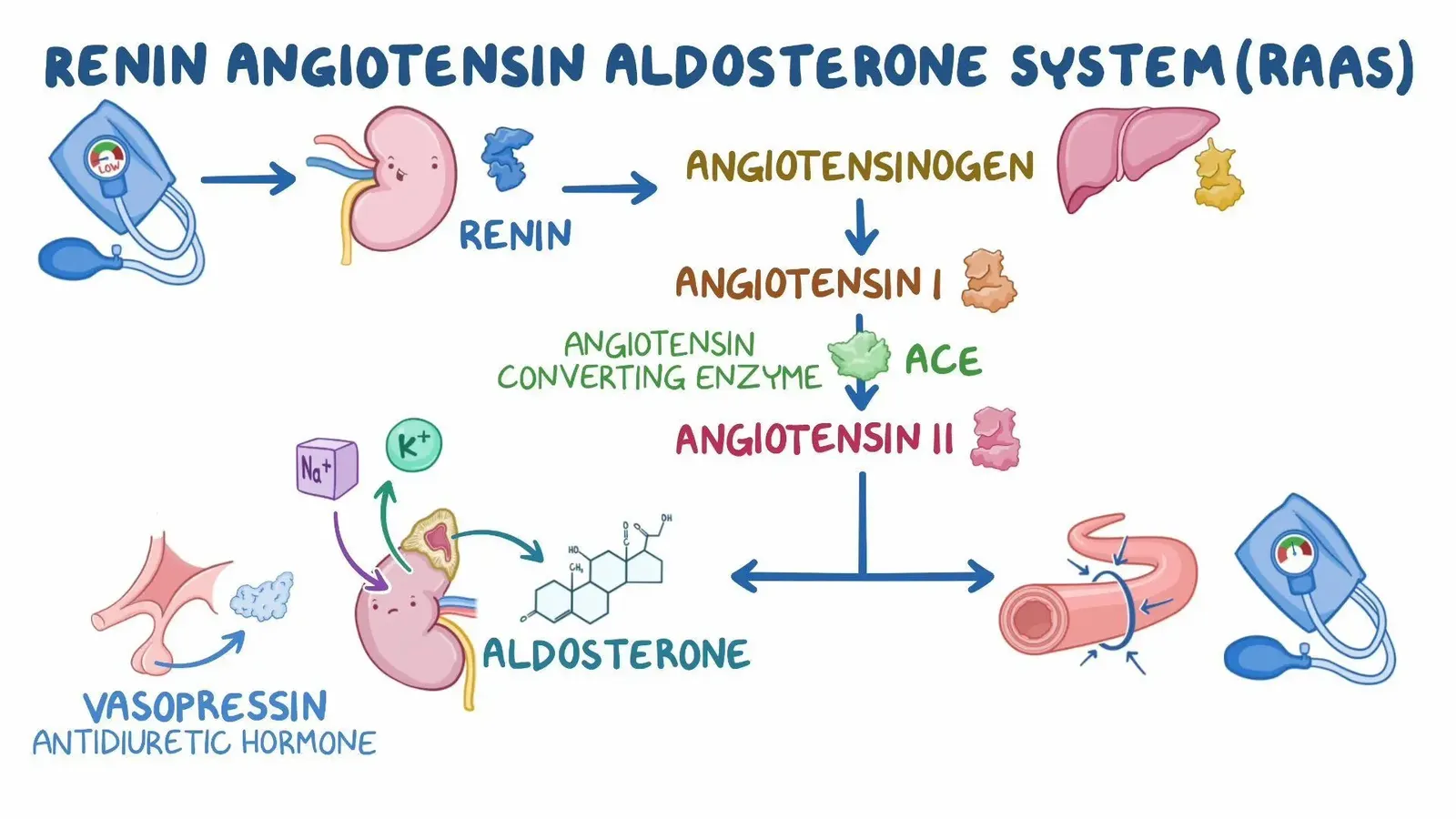
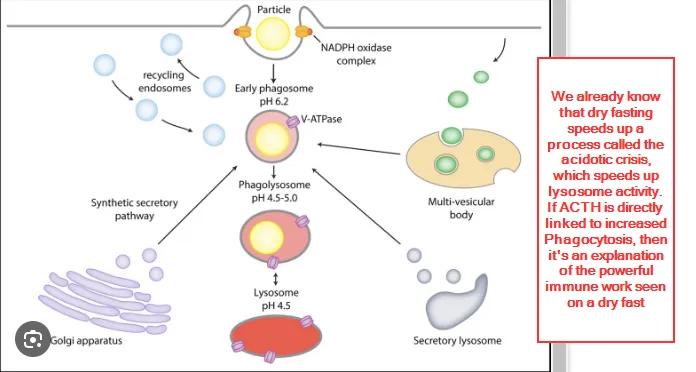
Interestingly, ACTH also has effects beyond just being the “cortisol trigger.” Some research suggests that ACTH might have a direct impact on immune function, helping the body mount a defense response when needed. This could be one reason why some people report feeling healthier or even experiencing a reduction in inflammation-related symptoms during dry fasting. While more studies are needed to confirm the full extent of these benefits, it’s clear that ACTH and cortisol work together to maintain a delicate balance that helps keep you going—even in the absence of food and water.
Dangers of High Cortisol and ACTH while Dry Fasting
But it’s not all about the benefits. If cortisol and ACTH levels remain high for too long, they can start to wear down the body’s resilience. Excessive cortisol is associated with increased muscle breakdown, weakened immunity, insulin resistance and higher blood pressure. The key to safe dry fasting, therefore, is to ensure that your body is prepared and to listen to your body’s signals. High levels of ACTH and cortisol for prolonged periods can lead to what’s often called “adrenal fatigue,” where the adrenal glands start to struggle to keep up with the body’s constant demand for stress hormones.
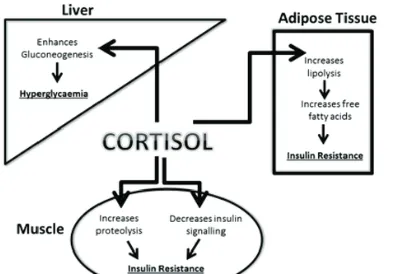
Now let's look at cortisol's role in human growth hormone.
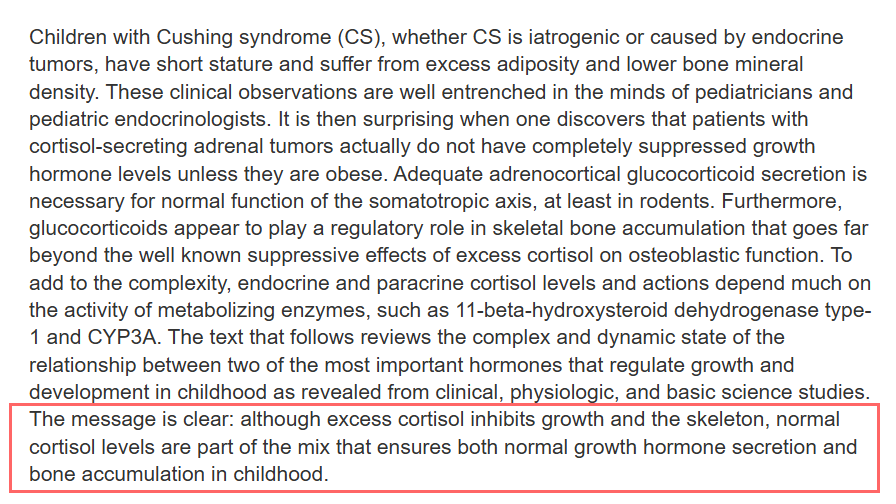
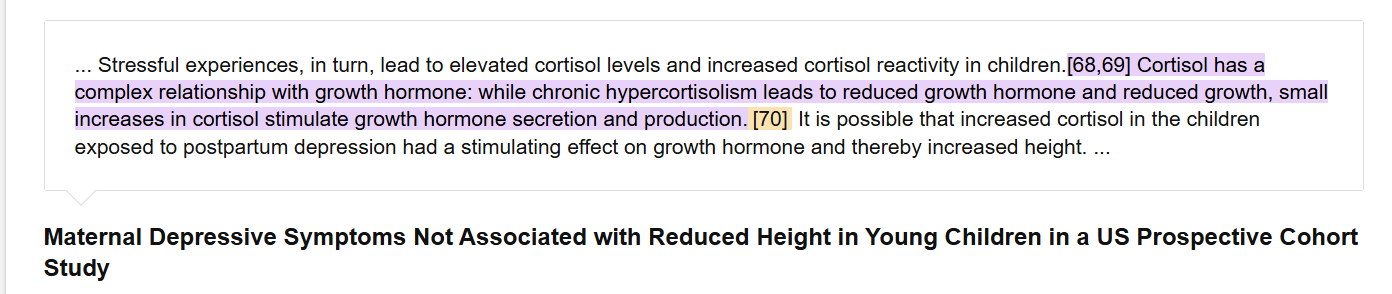
However, this doesn’t mean that everyone who dry fasts will face these risks. The body has natural mechanisms to avoid overproducing cortisol and ACTH. Over the course of a dry fast, your body can actually become more efficient at managing stress, and adjusting hormone levels in response to the new routine. This adjustment period is why people who fast regularly often report that it gets easier with time; their bodies adapt to the process and become more skilled at keeping things in balance.
Cushing Syndrome
Take a quick look at the symptoms of Cushing's syndrome and maybe you'll realize you've been here before ;)
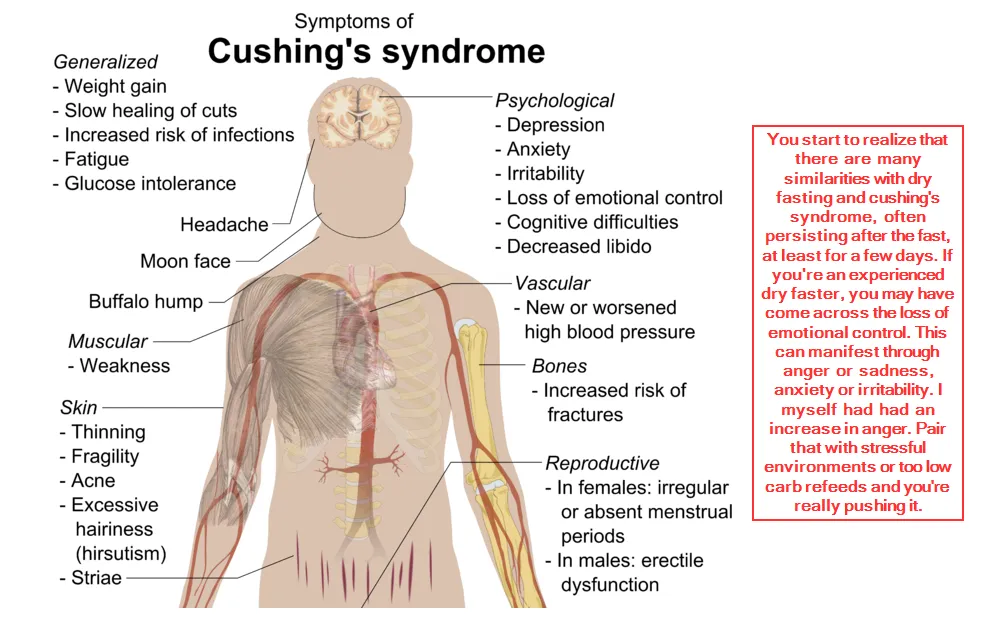
This leads us to talk about something scary. Cushing Syndrome. As I write this, I'm aware that it may scare off some dry fasters. As it should. My goal is to demystify the experience and teach. Cushing syndrome can be exogenous (iatrogenic) or endogenous (because of the body, usually a tumor on the pituitary). If you ever suffer symptoms similar to crushing syndrome, know that the dry fast may have imposed an exogenous pressure which may have led to it. Luckily it is the best outcome because it's relatively easy to fix – It will just take time. You'll notice that there's a reason why over-fasting can be dangerous and why telling people to do two 9-day dry fasts in quick succession is insanely irresponsible. Do this at your own risk.
Addison Disease and Cortisol Insufficiency
When it comes to dry fasting, the importance of cortisol and ACTH lies in their role as energy regulators and stress balancers. They help to ensure that your body has enough fuel to keep going without causing harm to your muscles, organs, or other systems. These hormones essentially provide a buffer, allowing the body to make the most of its stored energy while gradually adjusting to the absence of external resources.
Here's a story someone shared with me:
"I have steroid induced adrenal insufficiency, so it's different but I'll share my story anyway. I was diagnosed with Addison's to begin with, for years things were not improving and then I started on a cortisol pump and after a while I finally saw some stability. Then out of nowhere I started to have problems with over replacement all the time, my endo was not convinced I was over replaced because I had actually lowered my dose quite a bit and at this point I was starting to think that I was making some cortisol. I actually was making cortisol, much to everyone's surprise!"
As you can see, adrenal insufficiency is often the most likely culprit unless you have a genetic or aggressive autoimmune response that completely destroys your adrenals.
Healing Low Cortisol
You'll need to keep a few floating ideas in mind:
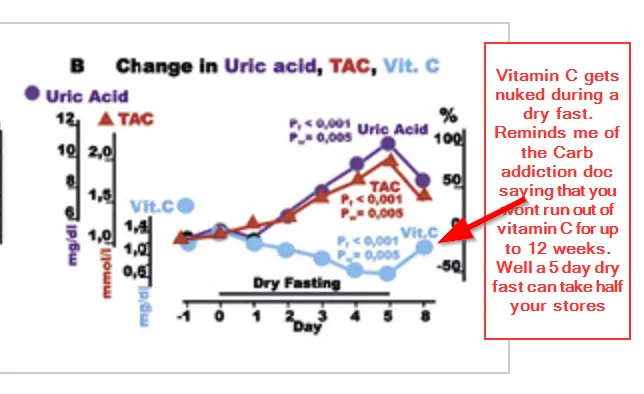
- How much vitamin C? The most common point for this to occur is about 2,000 to 4,000 mg (2-4 grams) of ascorbic acid for people with adrenal fatigue. Typically, the more chronic and severe the illness, the more vitamin C is necessary.
- There are a few other strategies VERY important to dry fasting and healing potential complications but they require testing and analysis of symptoms and blood work, feel free to book a consult with me or sign up to build a personalized healing plan and guidance.
 Narine Beglaryan
Let's wrap it up
To summarize, cortisol and ACTH play a major role in dry fasting, helping the body to navigate a water and food-free environment by tapping into its internal energy and staying resilient. Without these hormones stepping up to the challenge, dry fasting would be far riskier, as the body would struggle to maintain energy levels and respond to stress.
So, the next time you’re thinking about trying a dry fast, remember that cortisol and ACTH are on your side, helping to make the process as safe and effective as possible. They’re a reminder of how the body adapts and compensates in even the most challenging situations, working tirelessly to keep things balanced and functioning—even when you’re asking it to run on no fuel at all.