I'll hopefully keep updating this article as time permits, but it might end up being sent out as guides for paying members directly, we'll see.
- The brain doesn't respond to insulin in the same way as the rest of our body does
- Differences between the blood-brain barrier and brain IR
- Strategies to use for sleep issues, adrenaline dumps, insulin resistance, etc.
- Why do carbs cause issues?
- Are you sweating, shaking, and other responses after food intake?
- Why Ketosis Helps a lot, but doesn't cure
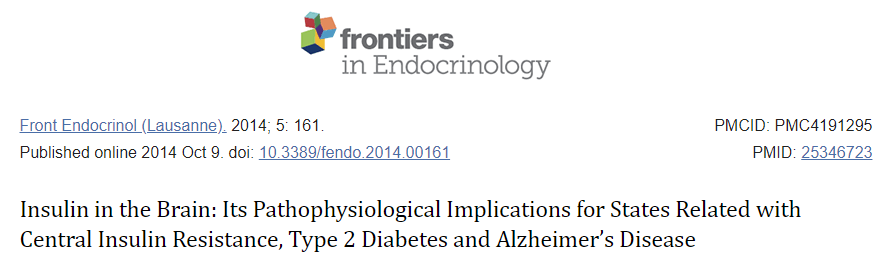
The brain doesn’t respond to insulin as the rest of our body does
https://www.ncbi.nlm.nih.gov/pmc/articles/PMC4191295/
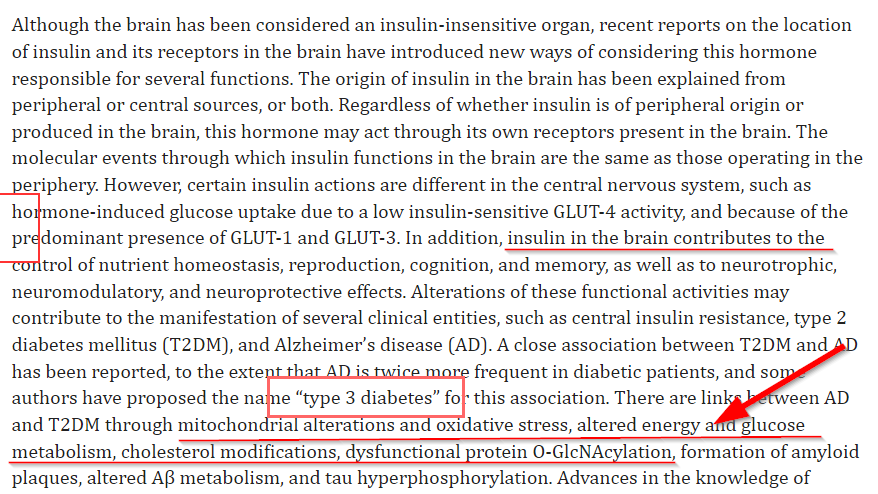
I had this effect for a couple of weeks when I started using it, could be different things. Thinking in deficiency terms, it’s possible you have insulin resistance in your brain and the ketones from the MCT oil are providing your brain with needed energy it can’t efficiently get from glucose. It also has anti-fungal effects, it’s possible that’s giving you a benefit.
Are you seeing the powerful correlations to a lot of popular long covid treatment? GlyNAC, mitochondrial, liver, and ketones to start. Pretty funny how ivermectin covers all these bases too.
Why do carbs cause issues?
- Overproduction of insulin (insulin resistance factor) - causing hyperinsulinemia symptoms
- Inability to burn glucose properly via aerobic pathways, need to teach the body
- Glucose resistance in cells - requires improvement in glucose sensitivity
- Swampy metabolism (randle cycle)
Overproduction of insulin, often due to insulin resistance, can lead to hyperinsulinemia, where there's too much insulin in the blood. This causes various health issues like weight gain, fatigue, and increased hunger. When our bodies can't efficiently burn glucose through aerobic pathways, it’s a sign that our metabolism needs retraining to use energy better. This glucose resistance in cells means they struggle to take in and use glucose properly, which requires improving their glucose sensitivity. Additionally, a sluggish or "swampy" metabolism, described by the Randle cycle, occurs when the body struggles to switch between burning fats and sugars efficiently.
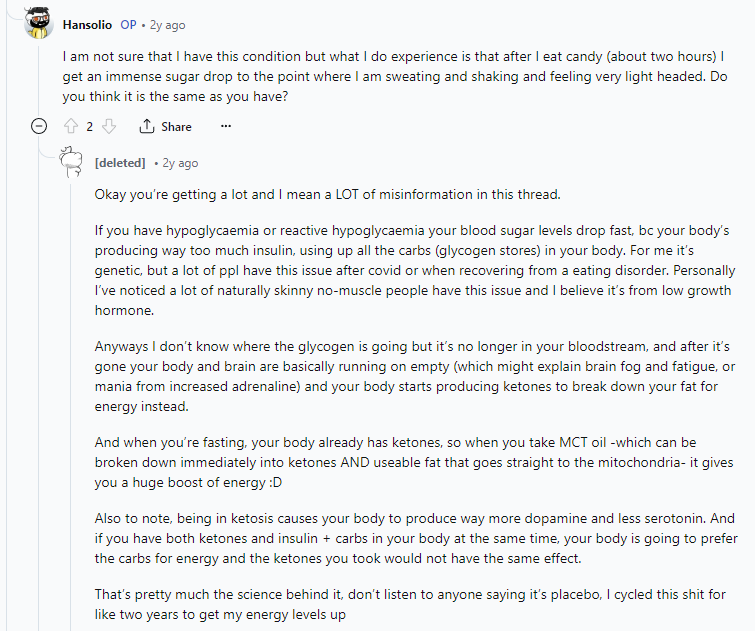
Are you getting sweating and shaking? That's a hypoglycemia response.
When we experience hypoglycemia, our blood sugar levels drop too low, causing our bodies to react in noticeable ways. You might start sweating and shaking because your body is trying to quickly raise blood sugar levels to keep you functioning properly. The sweating happens because low blood sugar triggers the release of adrenaline, which activates your fight-or-flight response. (Why caffeine needs to be withheld early on in the disease and ideally until healed) This makes your body produce sweat to cool down. The shaking, or feeling jittery, is also due to adrenaline rushing into your system, trying to signal your liver to release stored glucose. It's your body's urgent call for more fuel, making sure you stay alert and energized.
Strategies to use for sleep issues, adrenaline dumps, etc.
Brain Insulin Resistance and Sleep
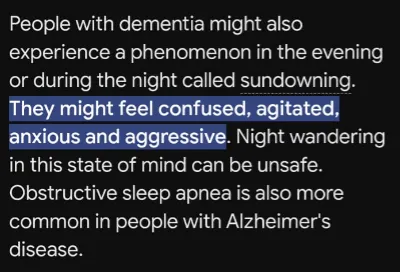
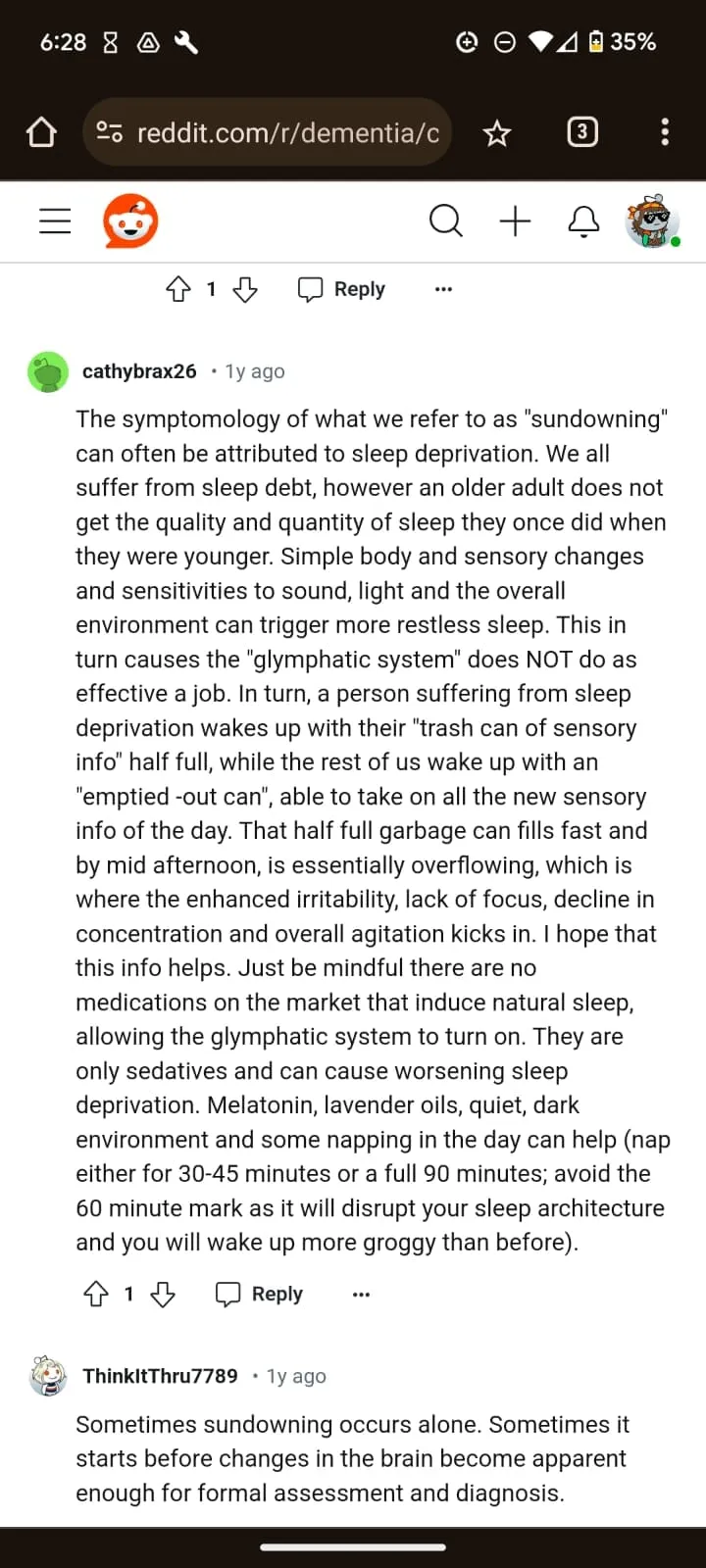
Sundowning refers to increased confusion and agitation experienced by individuals, typically with Alzheimer’s or dementia, during the late afternoon and evening. This phenomenon may be linked to insulin resistance in the brain and nervous system, where impaired glucose metabolism exacerbates cognitive decline. Fasting can help alleviate these symptoms by promoting ketosis, which provides an alternative energy source for the brain through ketones, bypassing insulin resistance and supporting better brain function and stability.
- Brain Insulin Resistance: When the brain becomes resistant to insulin, it struggles to get enough glucose, especially during periods of no food intake, such as during sleep.
- Adrenaline Dumps: The brain’s need for energy during sleep, combined with insulin resistance, can lead to adrenaline dumps, particularly if caffeine is consumed during the day.
- Caffeine and Nicotine: Removing caffeine and nicotine from your diet can help fix the 4 AM adrenaline dumps. But for some nicotine can be the defining factor in letting you sleep through the night without MCAS symptoms.
Ketones and Brain Health
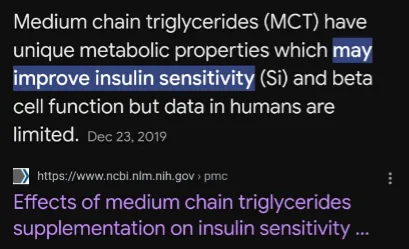
- MCT Oil at Night: Consuming MCT oil at night can provide ketones to the brain, which may help sustain energy levels.
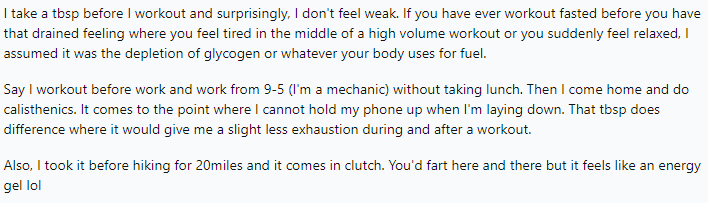
- Why Ketosis Helps: Ketosis can provide up to 60% of the brain’s energy needs through ketones. This bypasses the insulin-resistant blood-brain barrier, ensuring adequate energy supply via gluconeogenesis.
- Preventing Alzheimer’s: Managing insulin resistance and maintaining ketosis may help prevent Alzheimer’s disease, often linked to diabetes.
Exercise and Insulin Resistance
- Exercise and Glucose Reserves: Intense exercise can drain glucose reserves in the brain, potentially worsening insulin resistance in both the brain and the body.
- Caffeine and Insulin Resistance: Avoiding caffeine can help prevent adrenaline dumps and possible increases in insulin resistance.
Managing Insulin Resistance
- Exercise for Alzheimer’s: Regular exercise might influence brain insulin resistance and stress-related effects on the nervous system.
- Healing Insulin Resistance: To improve insulin sensitivity, consider:
- Dietary Reset: After a full reset, such as a minimum 5-day dry fast, gradually reintroduce pure fruits and carbs to build insulin sensitivity. Get your zero-carb lifestyle bullshit out of here, stop being brainwashed. It's a tool, not a lifestyle! STILL A NECESSARY TOOL
- Magic Mushrooms Before Bed: Consuming mushrooms right before bed can enhance insulin sensitivity in the brain for about 6-7 hours.
- Liver Considerations: Be mindful of liver health and avoid overexertion immediately after dietary resets.