Why Exercise Makes Long Covid and CFS Symptoms worse and how to Fix it
By Yannick Wolfe
A truth that most know, yet something that everyone still attempts. Over and over. Trapped in an endless cycle like Sisyphus and the Boulder or Prometheus and the Eagle. Be honest, how many times have you exercised only to make your symptoms flare up and worsen your baseline? This exercise amount is different for everyone. For the most severe cases, this might mean doing a few extra chores around the house. For others, this means pushing an extra workout set above your previous limit.
To exercise or not to exercise, that is the question. On one hand, if you don't do anything, your tolerance will keep decreasing. If you do too much your tolerance will keep decreasing. This is why pacing is so important and a cornerstone of ME/CFS for the last few decades. If you don't take pacing seriously, you're going to keep landing in the mud. Yes, that means you should keep a journal and track daily energy expenditure. That's why you should have a steps counter and find the sweet spot which you can try to increase week over week.
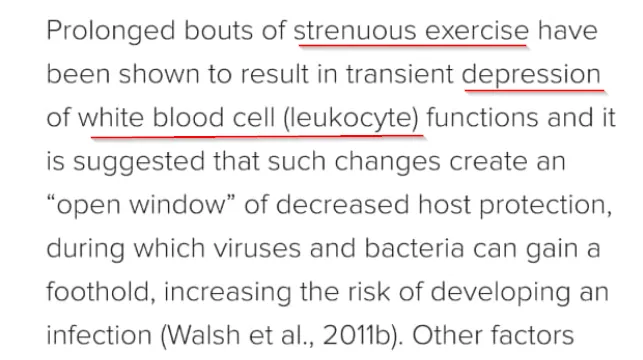
Exercise, especially intense exercise, can lower Immunoglobulin levels, which are crucial for maintaining immune defenses against latent infections like long COVID (LC) and herpes. Reduced IgG levels can create a window of vulnerability, allowing these viruses to become more active and cause significant damage, which can scale with increased physical activity. Understanding the duration of lowered IgG levels post-exercise and the impact of an active herpes flare-up on these levels is critical for managing this risk.
Fasting plays a significant role in cleaning up metabolic and viral debris, which helps push back potential viral reactivation and reset the immune system. By promoting autophagy, fasting aids in the removal of damaged cells and viral particles, providing a reset that can stabilize the system. Supplementing during the vulnerability window between exercise-induced IgG suppression and immune recovery is crucial.
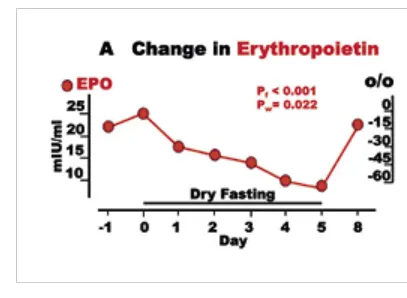
In theory, combining exercise with adequate levels of antiviral supplements like monolaurin, nicotine, and L-lysine might allow one to exercise while mitigating the risks associated with lowered IgG levels. Long-term fasting, such as a 9-day dry fast, can provide significant healing benefits by eating through most debris and reversing downstream damage caused by viral flare-ups. (Getting into hard-to-reach places via osmotic pressure like the lungs or extremities). However, while a 15-20 day dry fast might theoretically eliminate latent viruses, this remains uncertain and requires more evidence. The focus should remain on maintaining a balance through manageable fasting periods, nutritional support, and careful monitoring of immune function/pacing.
Improving Lactate Clearance and Oxygenation
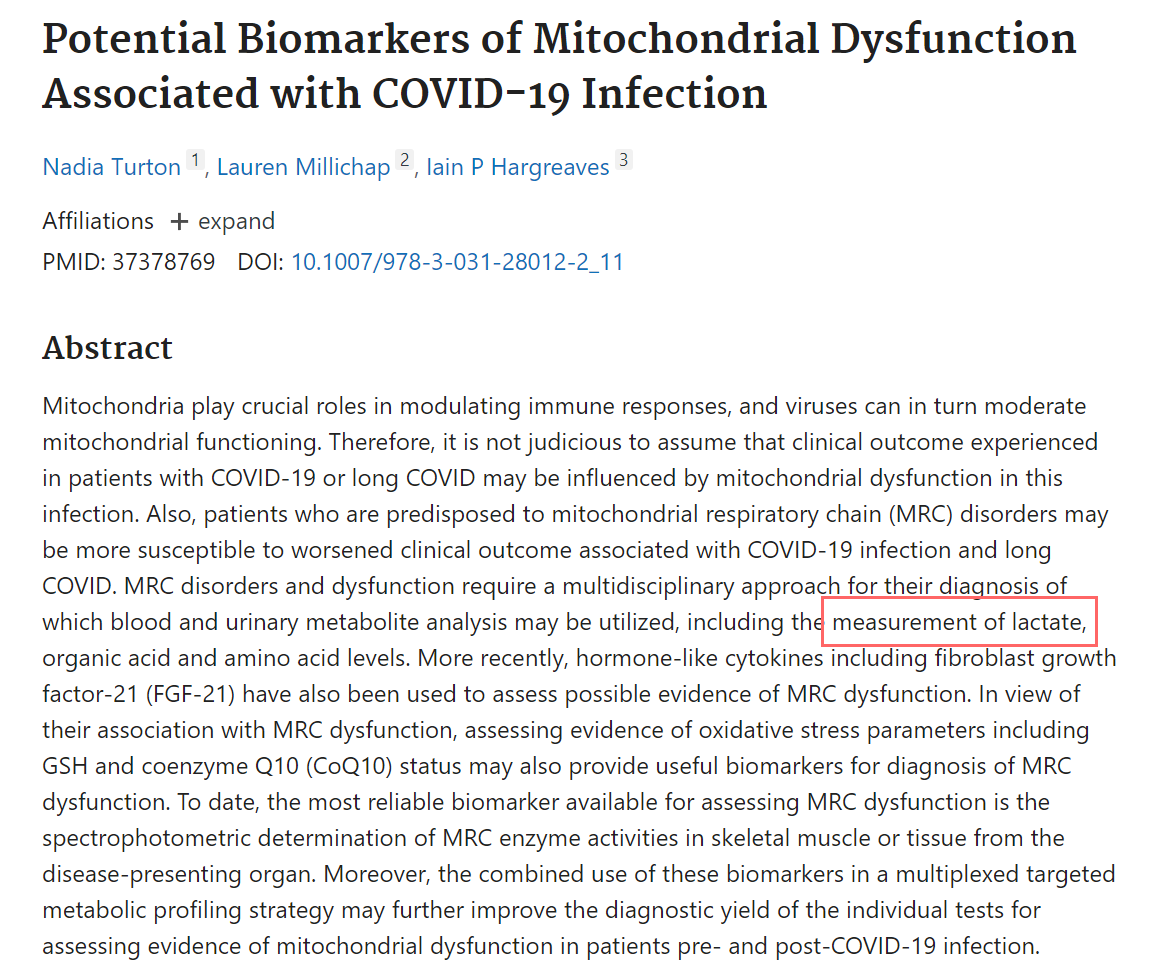
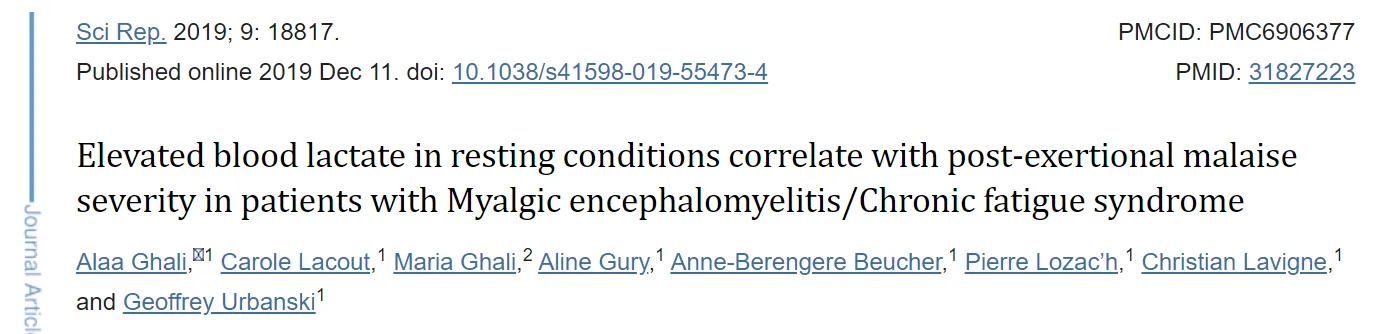
Improving lactate clearance and oxygenation is fundamental for managing ME/CFS symptoms. This involves strategies that enhance the body's ability to deliver oxygen to tissues, thus reducing the production of lactate, a byproduct of anaerobic metabolism. Practicing diaphragmatic breathing or Buteyko breathing techniques can significantly increase CO2 tolerance and improve overall oxygenation. Gentle, graded exercise tailored to individual capacity helps improve aerobic metabolism, aiding in the efficient clearance of lactate. This is obviously not the end-all-be-all of LC and CFS, but it is another reason to fast when exercising or flaring.
Look into the mammalian diving response. Build your CO2 tolerance with a daily routine of breathwork
Remember how drastically dry fasting improves oxygenation of the blood?
Fasting creates an energy deficit that forces the body to scavenge and clear lactate faster. Faster Faster!
Improve Oxidative Stress
A 5-day dry fast is magical when done right.
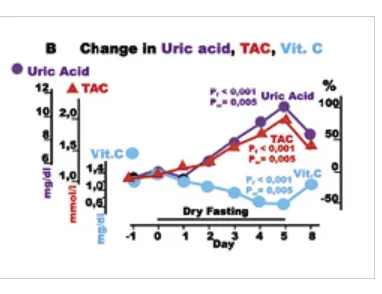
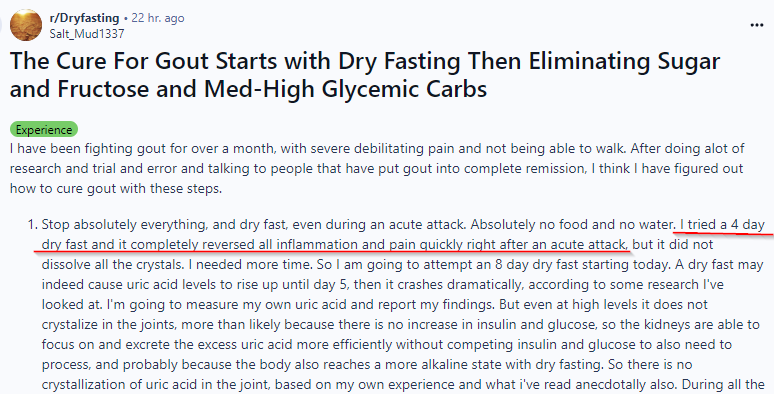
Enhanced Antioxidant Defense: The increase in TAC and uric acid suggests that dry fasting might boost the body's overall antioxidant capacity, helping to reduce oxidative stress. Something to consider is boosting vitamin C levels before the fast - as strategized in my earlier scorch protocols. Gout is another concern, but knowing that gout sufferers have been known to dry fast to deal with acute gout flares shows us that there are deeper mechanisms at play even when it comes to gout and how little we truly know about it. Gout's underlying problem is a metabolic dysregulation. Dry fasting helps heal it.
Autophagy: Dry fasting promotes autophagy, a process where the body cleans out damaged cells and regenerates new ones, which can further reduce oxidative stress.
While working on glucose metabolism, you inadvertently attack insulin resistance and should improve your A1C levels (red blood cell glycation). Depending on your damage and current health situation, the first plan of attack might be to go on a very aggressive low-carb high-fat diet before attempting to improve glucose metabolism. A lot of the problems with neuro issues also revolves around brain hypometabolism. If you can't burn glucose in your brain you're going to have a problem. The temporary fast solution? Ketones. The real solution? Fixing glucose metabolism.
Glycogen stores need to be expanded by having glucose in the system.
Improving glucose metabolism means improving mitochondria and reversing epigenomic reprogramming caused by the virus.
HCLF (high-carb, low-fat) = larger glycogen store capacity, similar to bile pool size when high fat. Beware of jumping too quickly into this diet. The human body is not meant to yo-yo so aggressively. Be real.
Improves aerobic capacity, which increases the amount of exercise you can do before anaerobic lactate production is activated.
Effective Pacing to Limit Stress on the Nervous System
Effective pacing is a critical strategy for managing energy expenditure in ME/CFS, preventing the overexertion that leads to post-exertional malaise (PEM). This involves a careful balance of activity and rest, tailored to the individual's energy limits. Using activity logs and step counters can help monitor and regulate physical exertion, ensuring it stays within a "safe" range. Incorporating frequent rest periods and focusing on essential activities while delegating or postponing non-essential tasks are key components of effective pacing.
Start with walking - increase weekly
Cut back a % of walking and replace it with a few light-weight exercises
Eventually, start increasing walking while still doing the light exercises
Keep this going, while also strategically resting and taking days off if necessary
Supporting the Nervous System – “Like a Baby Being Re-knit”
Once your nervous system is dysfunctional, it's like having your puppet strings cut. You have to try to reknit them, but this requires herculean effort. Activating the parasympathetic nervous system (PNS) is critical for promoting relaxation and reducing the stress that exacerbates ME/CFS symptoms. (there's also different variations to the PNS, some of which may be detrimental – Remember, a good nervous system can activate PNS and SNS at the right times). Techniques such as mindfulness meditation and yoga not only lower stress levels but also enhance PNS activity, fostering a state of calm that supports better oxygen delivery to tissues.
I don't believe you can do this without magic mushrooms + lion's mane combo. The neuronal regrowth is essential and I attribute nearly all of the final (last 10%) steps to this strategy. You'll start to understand why meditation heals the nervous system when you start to feel all your nerves healing.
I don't think you should bring mushrooms into the equation until you can turn back some of the exacerbated damage that has already been caused by the chronic illness. (You need to dry fast first). This recommendation is similar to bringing in nicotine. It is not smart to bring in these strategies while your body is still severely damaged. Even when you do bring it in, it has to start in minuscule doses. Low-carb diet and dry fasting first!
Lots of room for CBD, CBG, and THC when it comes to sleep, PNS, and relaxation hacks.
💡Dry fasting is a requirement to truly healing severe chronic illness, but it's not all there is to it. It's one of the best starting points. There's some great people in the chronic illness space like Cort from Health Rising. But none of them have gotten their health back, and most of them deteriorate over time. This is the difference between us. I put my body on the line and have had real success. Every post I write contains breadcrumbs to your full health - everyone is at a different stage and needs to tailor it to their situation. If these posts are beneficial for you, subscribe for the 5$/month. Being healed makes me less interested in doing research/experimentation and writing about it. (I just want to enjoy my life and family!!) But the paid subscriptions still light a fire under my ass, for which I am grateful! Thank you and good luck on your dry fasting journey.
Long Covid, ME/CFS, chronic fatigue, post-viral burnout. Whether you are living it or just trying to understand it, here is the metabolic model that explains it. These are a collapse to a lower energy set point, not a life sentence. Why it is reversible, why most people stay stuck, and the real order of operations to climb back out.
If you’re reading this, chances are you or someone you love is battling Long COVID, and I’m here to tell you: you’re not alone, and you’re definitely not crazy. Let’s break it


 View ORCID Profile
 Joseph W Guarnieri